Archives
- 2026-10
- 2026-09
- 2026-08
- 2026-07
- 2026-06
- 2026-05
- 2026-04
- 2026-03
- 2026-02
- 2026-01
- 2025-12
- 2025-11
- 2025-10
- 2025-09
- 2025-03
- 2025-02
- 2025-01
- 2024-12
- 2024-11
- 2024-10
- 2024-09
- 2024-08
- 2024-07
- 2024-06
- 2024-05
- 2024-04
- 2024-03
- 2024-02
- 2024-01
- 2023-12
- 2023-11
- 2023-10
- 2023-09
- 2023-08
- 2023-07
- 2023-06
- 2023-05
- 2023-04
- 2023-03
- 2023-02
- 2023-01
- 2022-12
- 2022-11
- 2022-10
- 2022-09
- 2022-08
- 2022-07
- 2022-06
- 2022-05
- 2022-04
- 2022-03
- 2022-02
- 2022-01
Axons are the largest component of WM by volume
2022-08-17
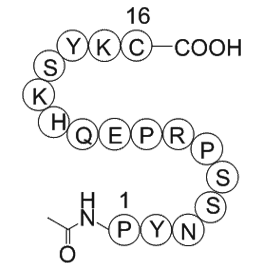
Axons are the largest component of WM by volume and are a significant repository of intracellular glutamate that can be releases under ischemic conditions [1,3,4,29,117]. We have recently shown that the principle route by which mature myelinated Fmoc-His(Boc)-OH.CHA receptor release glutamate during
The classical genomic effects of GR
2022-08-17

The classical genomic effects of GR come about through ligand-bound GR homodimerizing in the nucleus and via direct binding to GREs on the target genes, bringing about transcriptional activation or repression. Examples of target genes up-regulated by activated GR include genes encoding β2-adrenergic
br The potential of EPA Ffar signaling
2022-08-16
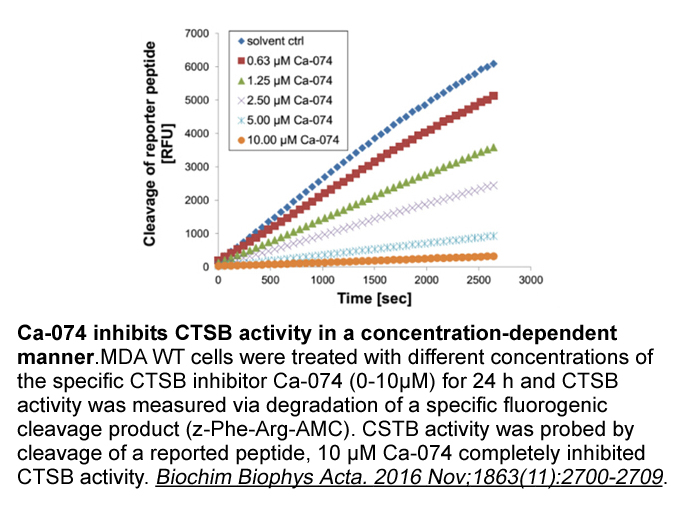
The potential of EPA-Ffar4 signaling as a novel intervention for HFpEF Conclusions and future directions Optimization of ω3-PUFA/EPA-therapy based upon titration to achieve therapeutic levels: A pressing clinical challenge is to continue to define the benefit of ω3-PUFA/EPA-therapy. Recent ana
We tested formyl MYVKWPWYVWL which
2022-08-16
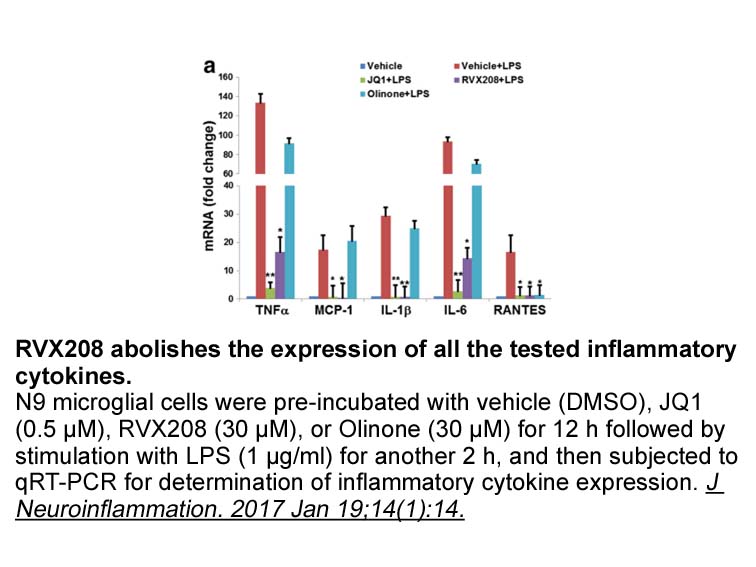
We tested formyl-MYVKWPWYVWL, which we had previously shown to have essentially identical Kis for W190/N192, R190/K192 and R190/N190 [8] of 130 nM, for its ability to downregulate surface receptor (Fig. 5A). R190/K192 exhibited the lowest EC50 of 44±4 nM about 3 fold below the observed Ki and a maxi
br Conflict of interest br Introduction Colorectal cancer CR
2022-08-16
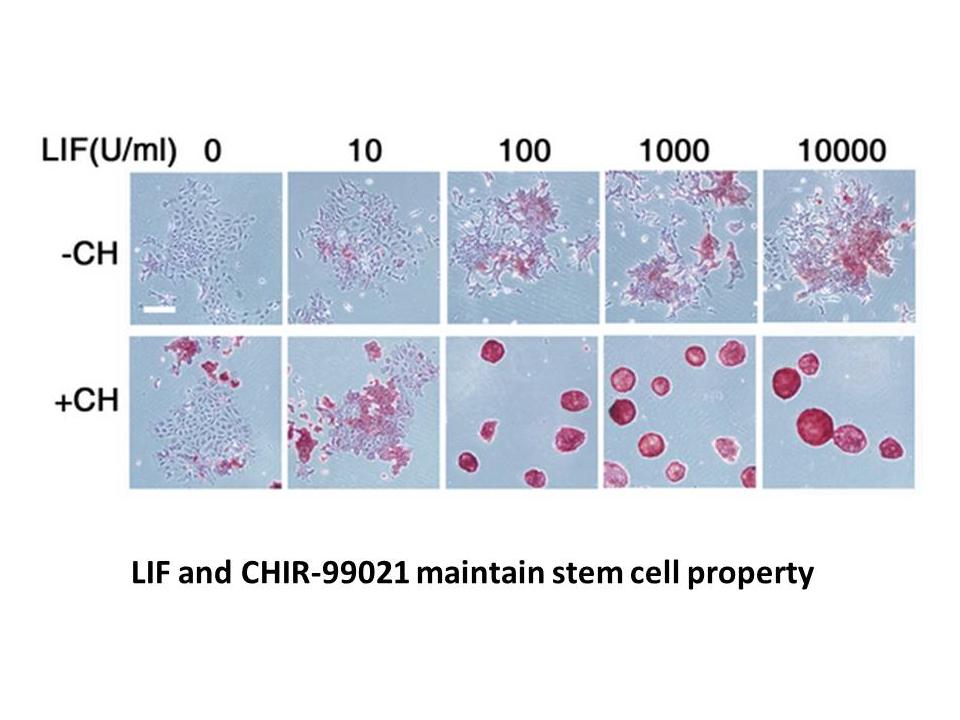
Conflict of interest Introduction Colorectal cancer (CRC), characterized by high prevalence in elderly people, is one of the most common cancers of digestive tract. CRC severely affects human health and causes enormous social and economic burdens [[1], [2], [3]]. Although public health awarene
HIV incidence is often determined by following cohorts of HI
2022-08-16
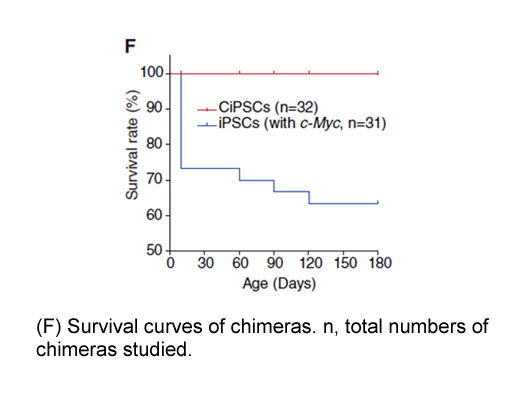
HIV incidence is often determined by following cohorts of HIV-uninfected individuals and quantifying the rate of new HIV infections. HIV incidence can also be estimated using a cross-sectional study design, using laboratory assays to identify individuals who are likely to have recent HIV infection.
br Acknowledgments This study was financially supported by N
2022-08-16
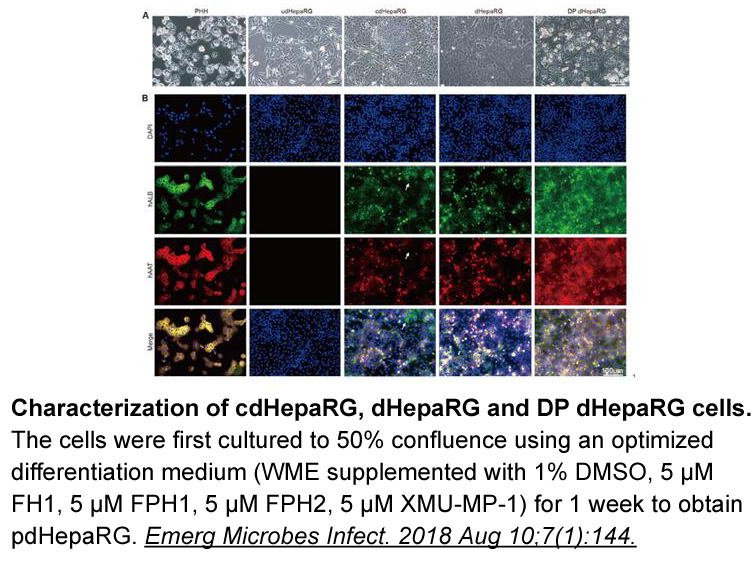
Acknowledgments This study was financially supported by National Science Center Poland grant No DEC-2011/02/A/NZ4/00031 (KKK), Jagiellonian University Medical College (Poland) grants: K/ZDS/007130 (SM) and K/ZDS/007131 (SM), COST Action CA15135 (DŁ, HS, KKK) and DFG INST 208/664-1 FUGG (HS). Than
Mapping PPI networks is challenging as it is
2022-08-16
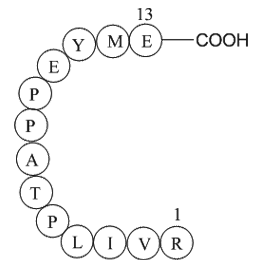
Mapping PPI networks is challenging, as it is difficult to express and purify large variaties of Bedaquiline in sufficient quantities to allow the study of interactions between them. Membrane-bound proteins are particularly difficult to purify in functional form due to their amphiphilic nature. Fur
br Conclusion and future perspectives The nicotinic acid
2022-08-15
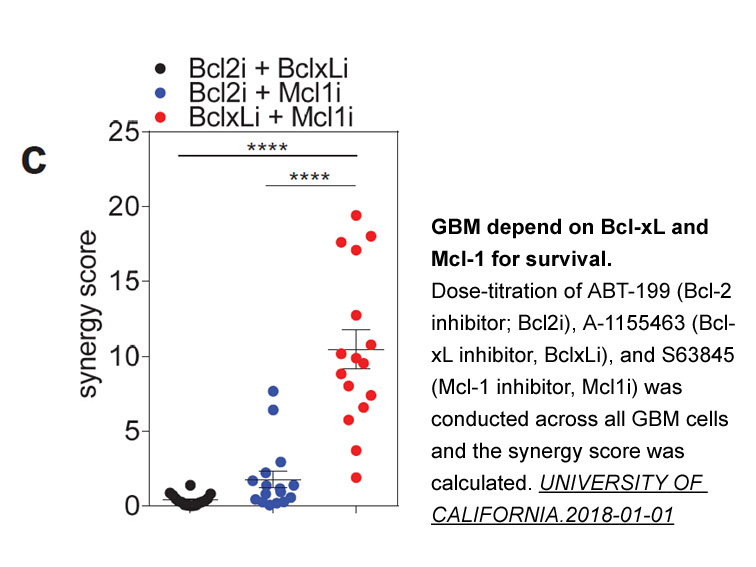
Conclusion and future perspectives The nicotinic Carmustine receptor GPR109A and its close relatives GPR109B and GPR81 are primarily expressed in adipocytes and are coupled to Gi-type G proteins. Recently, the ketone body β-hydroxy-butyrate, the β-oxidation intermediate 3-hydroxy octanoic acid an
RO-3 receptor br Declaration of interest br
2022-08-13
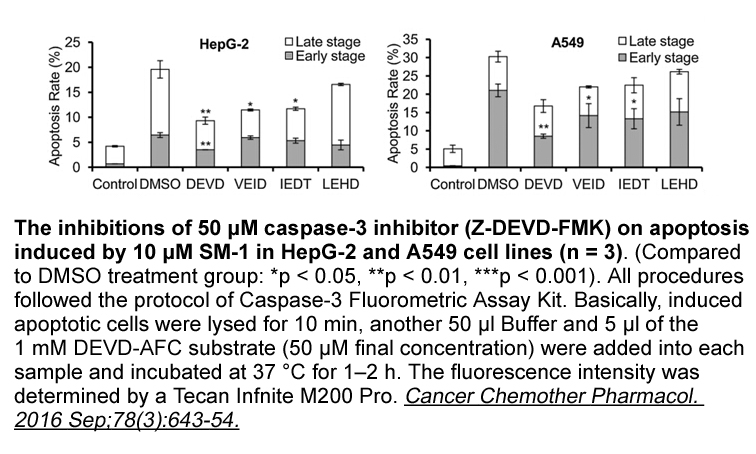
Declaration of interest Acknowledgments This work was supported by grants from the Polish National Science Centre (PRELUDIUM grant no. 2013/11/N/NZ5/00270) and the European Commission FP7 Project Beta-JUDO (grant number 279 153), European Union EIT Health project DeTecT2D, Swedish Diabetes A
The deduced amino acid sequences of all scIPPSs display
2022-08-13
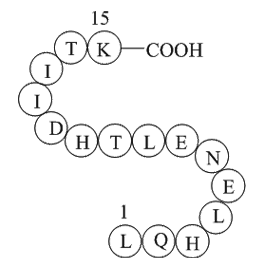
The deduced amino Donitriptan hydrochloride sale sequences of all scIPPSs display high similarity, and sequence alignments reveal seven conserved regions [2]. Regions II and VI contain the substrate-binding regions, with two characteristic aspartate-rich motifs (DDx(xx)xD; where x represents any am
Paroxysmal or sustained atrial fibrillations
2022-08-13
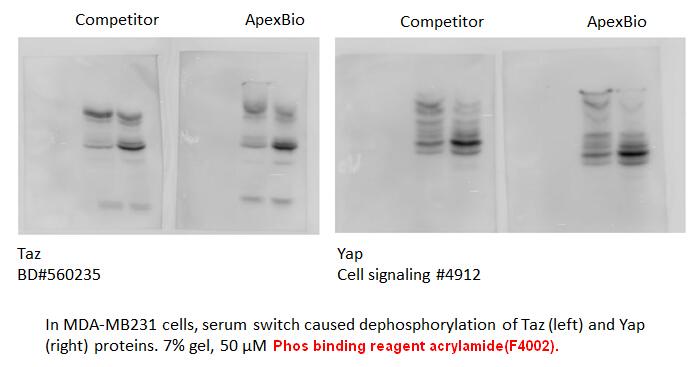
Paroxysmal or sustained atrial fibrillations profoundly activate platelets and induce coagulation factors in the heart (Choudhury and Lip, 2003). Accumulating factor Xa and downstream thrombin in the fibrillating left atrium activate PAR1 and/or PAR2 signaling to modulate electrical characteristics
br Introduction Ovarian cancer patients have the highest mor
2022-08-13
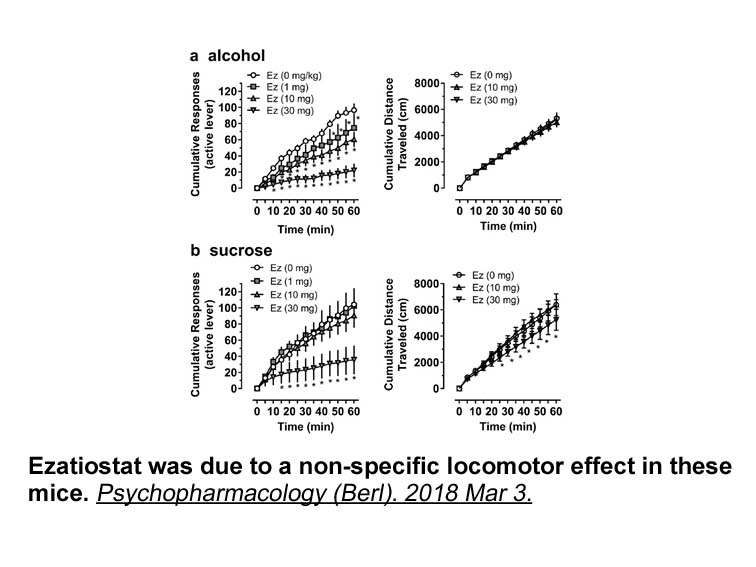
Introduction Ovarian cancer patients have the highest mortality rate amongst patients with gynecologic cancers. The 10-year survival rate of ovarian cancer patients is NECA with BRCA1/2 mutation [2]. Several studies have indicated the role of dysregulation of histone methylation in carcinogenes
CPI-455 Regulation of gene expression in mammalian cells
2022-08-13
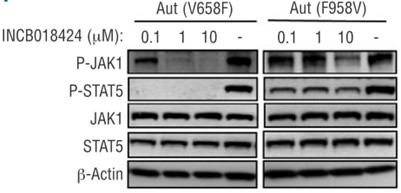
Regulation of gene expression in mammalian cells is governed by the epigenetic machinery, which includes several distinctive yet entangled branches. DNA and histone modifying enzymes, non-coding regulatory RNAs, and ATPase-dependent chromatin remodeling proteins all contribute to the dynamic alterat
The more important effect of pitolisant is related to
2022-08-13
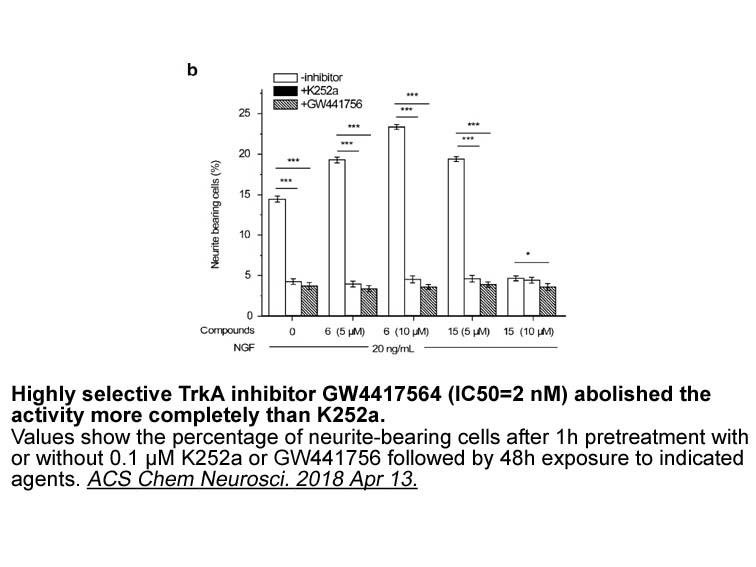
The more important effect of pitolisant is related to its wake-promoting and arousal activities as a result of enhanced EHT 1864 australia release in animal models (Ligneau, Perrin, et al., 2007). Moreover, its potential in the treatment of severe excessive daytime sleepiness (EDS) in narcoleptic te
8012 records 412/535 page Previous Next First page 上5页 411412413414415 下5页 Last page